Algorithmic Filtering Tools Reshaping Subscriber Growth Patterns in Multi-Sport Forecasting Platforms for Soccer, Equine Events, and Racket Sports
Theo Long · Oct 30, 2026

Algorithmic Filtering Tools Reshaping Subscriber Growth Patterns in Multi-Sport Forecasting Platforms for Soccer, Equine Events, and Racket Sports
Algorithmic filtering tools now sort and prioritize tipster profiles on multi-sport forecasting platforms that cover soccer, equine events, and racket sports, while data from industry reports shows these systems directly influence how subscriber numbers expand or contract over time. Platforms apply machine learning models to track win rates, stake consistency, and closing line value across different sports, then surface only those predictors who meet threshold criteria for each category. Observers note that this process creates distinct growth curves because subscribers receive recommendations filtered by sport-specific performance rather than general reputation alone.
Mechanics Behind the Filtering Systems
These tools analyze historical datasets that include thousands of predictions in soccer leagues, thoroughbred and harness racing meets, and tennis tournaments on various surfaces, then assign composite scores that determine visibility in subscriber feeds. Research from the University of Sydney's gambling studies unit indicates that filters update weekly based on recent results, which means tipsters who maintain edges in one sport but lag in another often see reduced exposure until metrics recover. Platforms integrate variables such as odds movement and bet volume so that recommendations adjust automatically when market conditions shift during major events like Premier League weekends or Grand Slam draws.
Subscriber Patterns in Soccer Forecasting
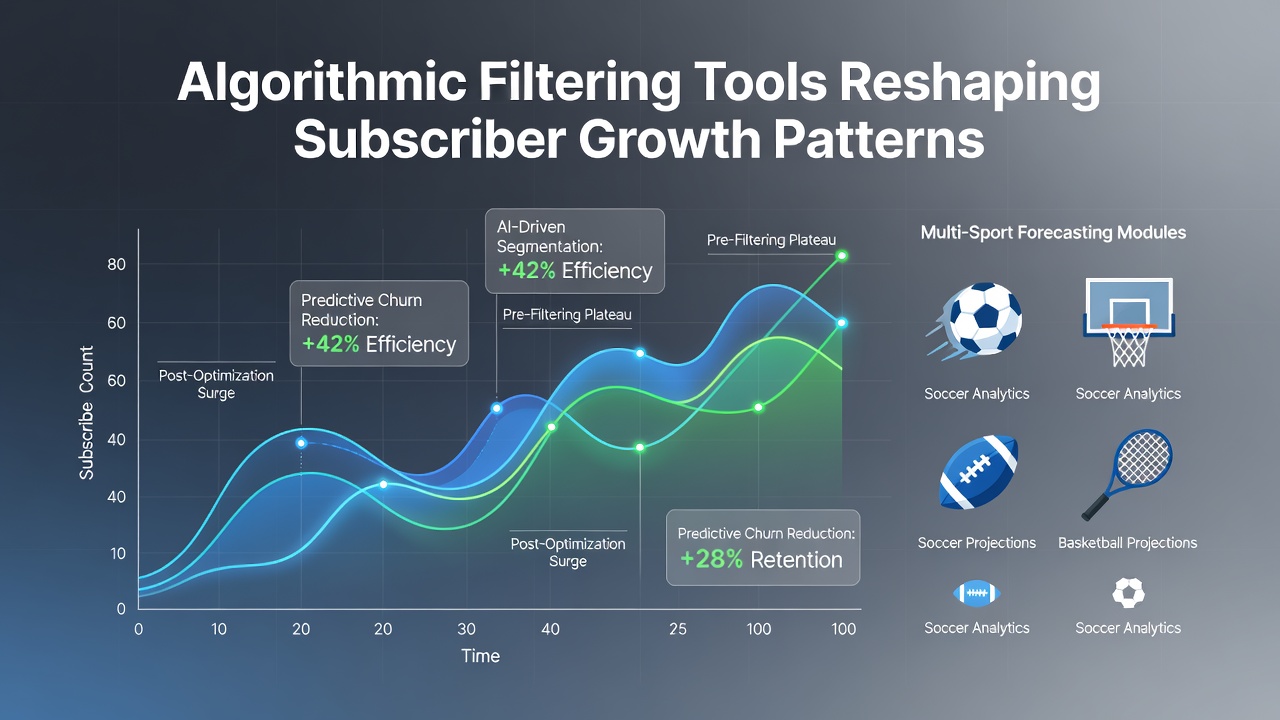
Soccer sections on these platforms experienced measurable subscriber increases after filters began emphasizing predictors with strong records in both domestic leagues and cup competitions, according to aggregated platform statistics released in October 2026. Users who previously subscribed across all sports now concentrate on soccer-only packages when algorithms highlight specialists whose recent sequences align with high-probability outcomes in specific divisions. Data shows retention rates improve when filters remove tipsters whose results fluctuate beyond set variance bands, which reduces the number of underperforming recommendations reaching active subscribers.
Equine Events and Racing-Specific Adjustments
Equine forecasting modules apply additional layers that account for track conditions, distance categories, and jockey changes, so filters narrow recommendations to tipsters whose selections demonstrate consistent performance on turf versus synthetic surfaces. Figures from European betting association reports reveal that subscriber acquisition in horse racing segments accelerated during autumn festival periods when algorithms prioritized predictors with verified results from recent meetings. Those who study these platforms observe that growth stabilizes once filters exclude tipsters posting isolated high-odds wins without corresponding consistency across multiple race types.
Racket Sports Subscriber Dynamics
Racket sports sections, primarily tennis, show subscriber growth tied to filters that separate hard-court, clay, and grass specialists because performance data diverges sharply across surfaces and tournament levels. Industry analyses from the Australian Gambling Research Centre note that platforms using these tools recorded higher conversion from trial users to paid subscribers when recommendations focused on tipsters with documented edges in challenger events and WTA draws rather than mixing all surfaces indiscriminately. Growth patterns in October 2026 reflected seasonal tournament calendars, with spikes occurring around major events where filters highlighted predictors who had already demonstrated closing-line success in similar conditions.
Cross-Sport Effects on Overall Platform Growth
Multi-sport subscribers increasingly select modular plans that let them follow filtered recommendations in two sports while pausing the third, which has altered traditional all-access subscription models according to platform usage logs. This segmentation allows providers to track which sport categories drive the largest share of new sign-ups each quarter, then allocate marketing resources toward the strongest performing filters. Evidence suggests that platforms maintaining transparent filter criteria experience steadier long-term subscriber expansion because users understand why certain tipsters appear in their feeds and why others do not.
Conclusion
Algorithmic filtering continues to redefine how forecasting platforms manage subscriber acquisition and retention across soccer, equine events, and racket sports by grounding recommendations in measurable performance data rather than unverified claims. As these systems evolve through ongoing data collection, growth patterns are expected to reflect even tighter alignment between tipster metrics and subscriber preferences in each sport category.