Data Privacy Regulations Reshaping How Performance Metrics Are Shared in Soccer, Racing, and Tennis Forecasting Services
Morgan Hoffmann · Jul 2, 2026
Data Privacy Regulations Reshaping How Performance Metrics Are Shared in Soccer, Racing, and Tennis Forecasting Services
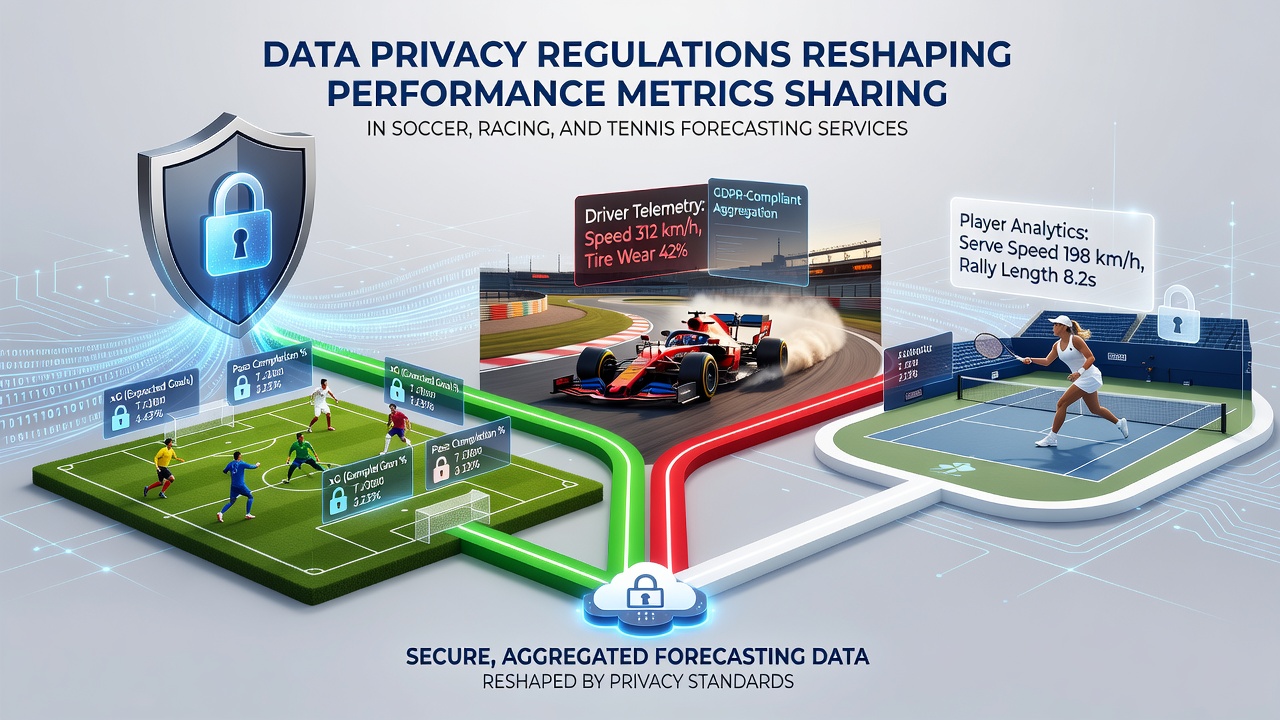
Forecasting services that deliver performance metrics for soccer matches, horse racing events, and tennis tournaments now operate under stricter data handling protocols enforced by multiple privacy frameworks across regions, and these rules directly influence how historical results, accuracy rates, and subscriber engagement data get presented to users.
Companies must secure explicit consent before aggregating individual betting patterns or prediction histories into public leaderboards, while anonymization techniques have become standard practice to comply with cross-border data transfer requirements that took tighter hold after 2024 updates to existing statutes.
Regulatory Frameworks Driving Changes in Metric Disclosure
European data protection rules require forecasting platforms to limit retention periods for detailed user interaction logs that once supported granular performance breakdowns in soccer tip distributions, and similar obligations appear in Australian privacy principles that emphasize purpose limitation when sharing race outcome statistics or tennis match forecasts. Services respond by publishing aggregated success rates rather than individualized records, which reduces the risk of re-identification yet preserves overall transparency for subscribers seeking comparative data.
North American platforms face parallel pressures from state-level statutes that mandate clear disclosure of data usage in marketing materials, prompting operators to redesign dashboards so that win percentages and return figures appear only after users acknowledge privacy notices. Observers note that these adjustments have standardized presentation formats across soccer, racing, and tennis verticals because unified consent flows simplify compliance audits.
Anonymization Techniques and Their Effects on Transparency
Technicians at forecasting companies apply differential privacy methods to performance datasets before release, adding controlled noise to individual prediction sequences while preserving aggregate trends that matter for soccer league analyses, thoroughbred sprint evaluations, and tennis surface-specific records. This approach satisfies regulatory demands without eliminating the statistical value that subscribers rely upon when evaluating service reliability over multi-month periods.
Case examples show that one European operator revised its public verification reports in early 2025 to display only cohort-level accuracy instead of per-tipster logs, and this shift aligned with guidance from the European Commission data protection framework. Australian services followed a comparable path by implementing purpose-specific data silos that separate user contact details from outcome metrics, ensuring that racing festival results and tennis challenger circuit forecasts remain accessible yet detached from personal identifiers.
Impacts Across Soccer, Racing, and Tennis Services
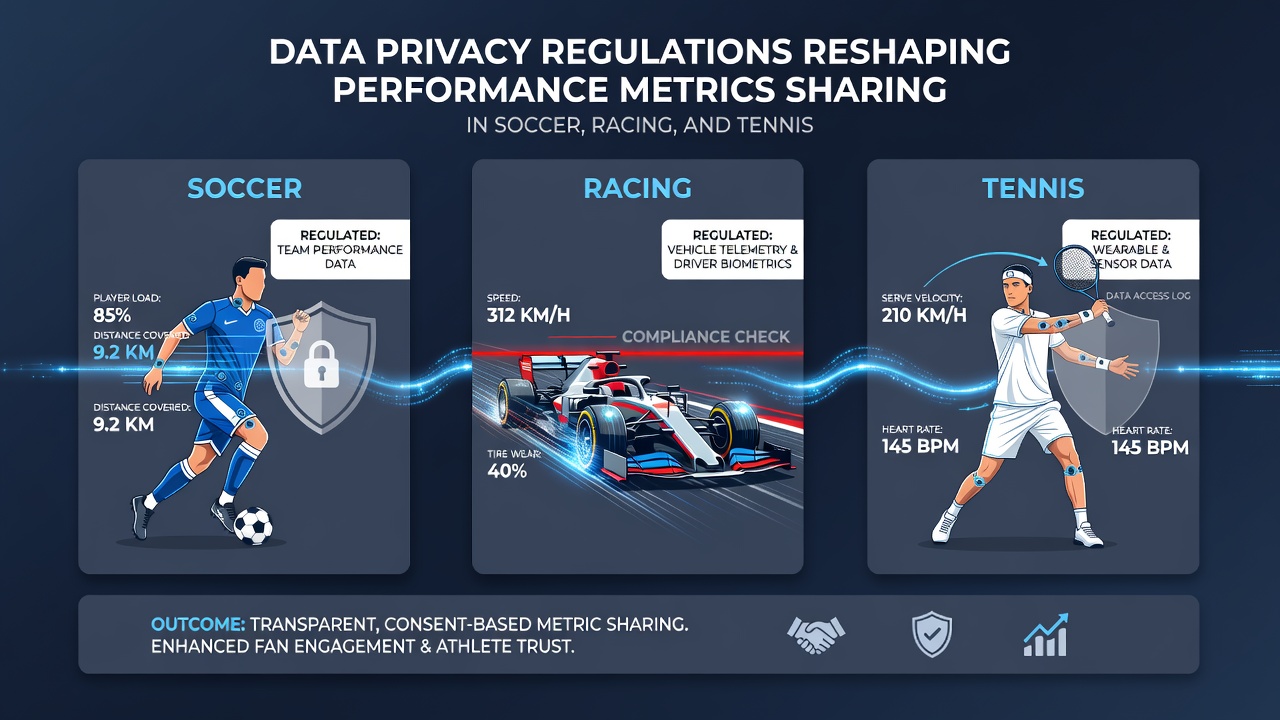
Soccer forecasting tools have narrowed the scope of shared cup competition statistics to broad regional averages because detailed player-level data often intersects with identifiable fan engagement profiles, whereas racing platforms continue to release track-specific speed figures after stripping timestamps that could link back to individual subscribers. Tennis services face unique constraints around match duration and surface data, leading providers to batch results into quarterly summaries rather than real-time feeds that previously highlighted daily variance in baseline and serve metrics.
Researchers tracking these adaptations report that cross-sport operators now employ centralized consent management systems, which allow users to toggle visibility settings for their contributed accuracy scores while the underlying algorithms still draw from pooled historical information. Such systems reduce administrative overhead and create consistent user experiences whether the focus remains on Premier League margins, Group 1 race placings, or Grand Slam set counts.
Developments Expected by July 2026
Additional enforcement phases scheduled for July 2026 will require forecasting services to conduct regular data protection impact assessments before publishing new metric categories, and this timeline affects operators handling mixed soccer-racing-tennis portfolios because they must demonstrate equivalent safeguards across all three domains. Preparatory work already underway includes revised data mapping exercises that catalog every field used in performance calculations, from goal difference projections to sectional timing splits and ace percentage trends.
Industry associations have circulated draft templates that standardize how anonymized datasets get shared with third-party auditors, ensuring that verification processes remain robust even as direct access to raw subscriber logs diminishes. These templates emphasize audit trails that regulators can review without exposing personal information, which supports continued credibility for services that publish long-term return figures across varied sporting calendars.
Conclusion
Data privacy regulations continue to redefine the boundaries of metric sharing in soccer, racing, and tennis forecasting services through requirements for consent, anonymization, and purpose limitation that apply uniformly across regions. Platforms that adapt by redesigning disclosure mechanisms maintain subscriber trust while meeting obligations set by frameworks in Europe, Australia, and other jurisdictions, and further refinements expected in 2026 will likely reinforce these standardized practices without eliminating the core value of comparative performance data.