How Payment Processor Shifts Reshape Operations for Outcome Forecasters in Niche Global Markets
Cameron Richter · Jun 1, 2026

How Payment Processor Shifts Reshape Operations for Outcome Forecasters in Niche Global Markets
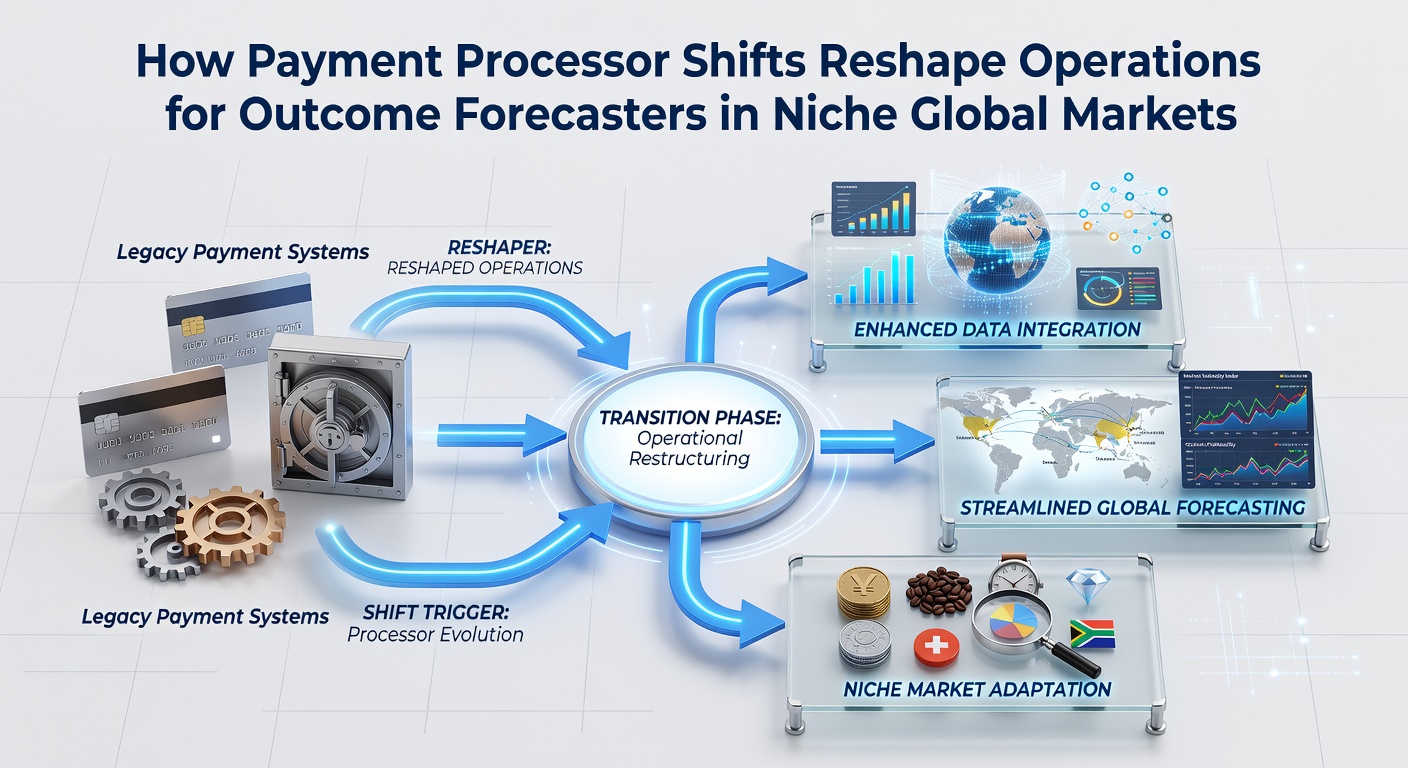
Payment processor adjustments have altered how outcome forecasters manage subscriber payments and operational logistics across specialized global markets, particularly those focused on lesser-followed athletic events and regional competitions. Forecasters operating in these segments rely on consistent revenue streams from subscriptions that often cross multiple borders and involve smaller transaction volumes compared to mainstream betting platforms. Shifts in processing fees, compliance rules, and available gateways force adjustments in how services collect funds, verify users, and maintain access in areas such as provincial soccer leagues or satellite tennis circuits.
Payment Infrastructure Changes and Market Adaptation
Traditional card processors and digital wallet providers have updated their risk assessments for merchants classified under high-volatility categories, which include many forecasting services targeting niche audiences. These updates stem from broader regulatory frameworks that emphasize transaction monitoring and merchant categorization. Observers note that forecasters in emerging regions encounter longer settlement times when using established processors, prompting some to explore alternative channels that handle cross-border transfers with reduced friction. Data from the Bank for International Settlements shows increased adoption of instant payment systems in Asia-Pacific and Latin American corridors between 2024 and 2026, allowing forecasters to receive funds from subscribers in markets where local banking infrastructure previously created delays.
By June 2026 several platforms had rolled out enhanced verification layers that require additional documentation for accounts handling recurring international charges. Forecasters who serve clients in remote track circuits or challenger-level events report reallocating staff time toward compliance tasks rather than content development. Those who maintain operations in multiple jurisdictions often segment their payment flows, routing European subscribers through one gateway while directing North American or Asian payments through others that align with local rules.
Regional Variations in Processing Capabilities
Payment options differ sharply across geographic zones that host niche forecasting demand. In parts of Southeast Asia, mobile money systems integrated with local telecom providers enable forecasters to accept smaller recurring payments without the overhead associated with international card networks. Australian regulatory updates on digital payment licensing, administered through bodies such as the Australian Securities and Investments Commission, have encouraged some services to partner with licensed entities that offer clearer pathways for subscription billing. European forecasters face separate requirements under revised electronic money directives that affect how they disclose fees to subscribers located outside the eurozone.
These regional distinctions influence operational scale. Forecasters focused on ITF-level tennis or minor-league soccer frequently maintain separate merchant accounts for each primary subscriber region, which adds administrative layers but reduces the risk of account holds during processor reviews. Research from academic studies on fintech adoption in emerging economies indicates that such segmentation correlates with steadier revenue collection when niche services expand beyond their home markets.
Operational Adjustments and Subscriber Management
Outcome forecasters have modified their billing cycles and access controls in response to processor-imposed limits on chargeback ratios and refund handling. Services that previously offered monthly subscriptions now present quarterly or annual plans at discounted rates, which lowers the frequency of individual transactions and associated processing costs. Some platforms incorporate cryptocurrency options for subscribers who encounter restrictions with conventional cards, although conversion volatility requires additional treasury management practices.
Those operating in satellite events or provincial horse circuits often integrate automated verification tools that cross-reference subscriber locations with processor-approved regions. This reduces manual review workloads and supports compliance with evolving anti-money laundering expectations. Industry reports compiled by organizations tracking digital commerce show that forecasters who adopt multi-processor strategies maintain higher uptime for payment acceptance compared with those dependent on single providers.
Technology Integration and Future Processing Trends
API connections between forecasting platforms and newer payment gateways allow real-time reconciliation of subscriber status, which proves useful when serving clients across time zones in different niche markets. Embedded finance features, such as instant payout options tied to verified performance metrics, appear in select services that operate in high-growth regions. These features reduce the lag between subscriber sign-up and revenue realization, supporting cash flow for forecasters who cover events with irregular schedules.
Continued evolution in processor policies will likely require ongoing monitoring of fee structures and supported corridors. Forecasters who track these developments through regulatory announcements and processor updates position their operations to accommodate shifts without interrupting service delivery to subscribers in specialized segments.
Conclusion
Payment processor developments continue to influence daily operations for outcome forecasters who focus on niche global markets. Adjustments in verification requirements, regional gateway availability, and transaction structuring shape how these services collect revenue and manage international subscriber bases. Those who align their systems with multiple compliant channels sustain access across diverse regulatory environments while meeting the expectations of clients who follow specialized athletic outcomes.