Regulatory Shifts and Their Ripple Effects on Accuracy Tracking Systems for Team Ball Games, Equine Competitions, and Court-Based Events
Theo Long · Jul 13, 2026
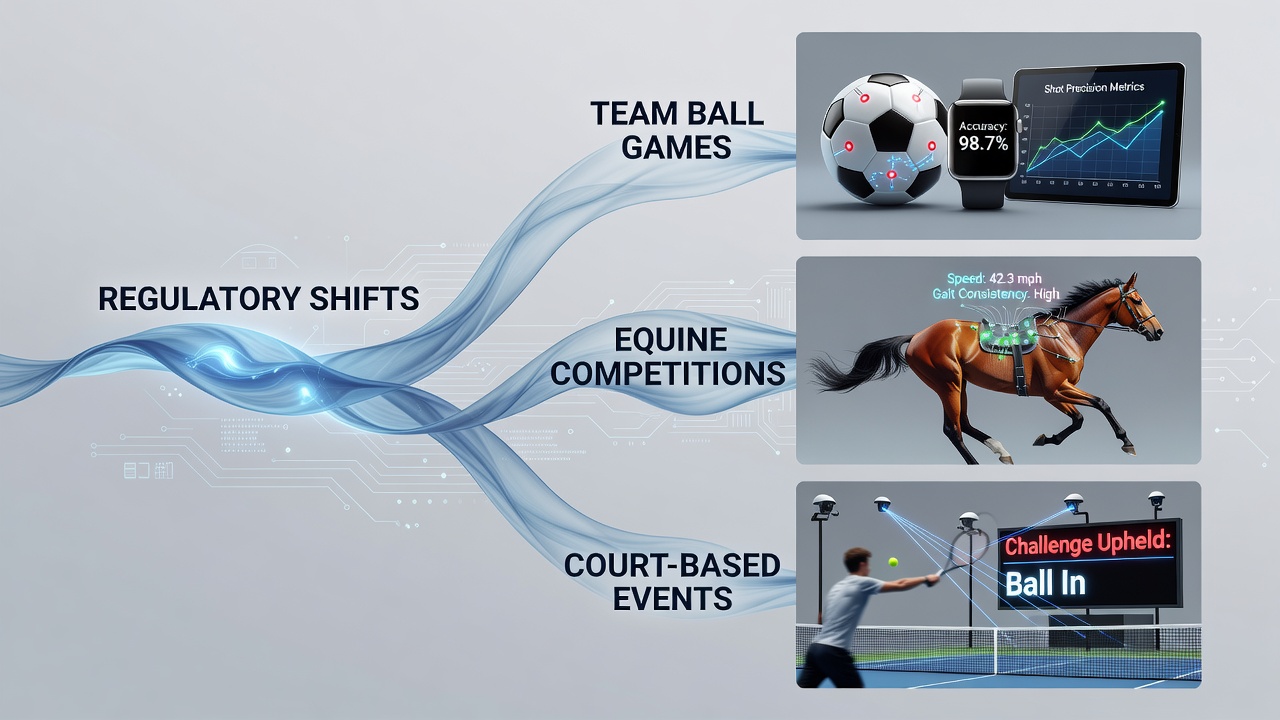
Regulatory Shifts and Their Ripple Effects on Accuracy Tracking Systems for Team Ball Games, Equine Competitions, and Court-Based Events
Regulatory frameworks governing gambling and data handling continue to evolve across multiple jurisdictions, and accuracy tracking systems that monitor prediction performance in team ball games, equine competitions, and court-based events face direct adjustments as a result. These systems, which compile verified outcomes for football matches, horse races, and tennis tournaments, must now align with updated requirements on data retention, reporting standards, and consumer protection measures that took effect in several regions during 2025 and carry forward into July 2026. New rules in Australia emphasize transparent record-keeping for all betting-related analytics platforms. The Australian Communications and Media Authority has issued guidelines that require detailed audit trails for performance data collected from soccer leagues, thoroughbred meetings, and professional tennis circuits. Platforms operating accuracy metrics now segment datasets by sport type so that football goal tallies, equine finishing times, and tennis set scores receive separate verification protocols.Changes in Data Privacy Requirements
European data protection updates have introduced stricter consent mechanisms for user-linked performance histories. Accuracy systems previously aggregated results across football predictions, racing tips, and tennis forecasts without granular opt-in steps, yet revised standards demand explicit permissions before cross-border transfers occur. Observers note that this adjustment forces developers to rebuild database architectures, particularly when handling mixed datasets that combine team ball statistics with equine performance logs and court-based match records.
Impact on Verification Processes
Verification workflows for tipster results have lengthened under the new mandates. In football, where match data arrives from multiple leagues simultaneously, automated scripts now pause to confirm regulatory compliance before publishing accuracy percentages. Equine competitions present additional layers because race results from synthetic surfaces and turf tracks require timestamped sourcing that satisfies both gambling regulators and animal welfare oversight bodies. Court-based events add complexity through live scoring feeds that must route through approved channels before accuracy calculations finalize.

Regional Variations Emerging in 2026
Canadian provincial authorities, including the Alcohol and Gaming Commission of Ontario, implemented parallel reporting obligations effective January 2026 that extend into mid-year reviews scheduled for July. These rules require accuracy platforms to disclose sample sizes used when calculating strike rates for soccer accumulators, horse racing win rates, and tennis straight-set predictions. Systems that once relied on global pooled data now isolate regional subsets to meet disclosure thresholds, which alters comparative rankings between predictors specializing in different sports.
Industry reports from the National Council on Problem Gambling highlight how these segmented reporting structures reduce opportunities for aggregated claims that blend high-volume football tips with lower-frequency racing or tennis selections. Developers respond by introducing modular dashboards that display sport-specific accuracy figures while maintaining overall platform compliance.
Technical Adaptations Across Sports
Software teams have introduced new filtering layers that separate team ball game outcomes from equine and court-based records during initial ingestion. This separation allows independent application of jurisdiction-specific retention periods, since football data often carries shorter mandatory holding times than detailed equine medical or performance notes. Tennis scoring sequences, which include point-by-point breakdowns, receive additional encryption steps to satisfy privacy rules that treat granular match data as personally identifiable when linked to subscriber accounts.
Testing cycles scheduled for July 2026 focus on interoperability between these modular components. Early simulations reveal that platforms maintaining separate verification queues for each sport category achieve faster compliance sign-off compared with unified processing pipelines.
Conclusion
Accuracy tracking systems continue to adjust architectures and workflows in response to overlapping regulatory updates that span data protection, gambling integrity, and consumer transparency. Football, horse racing, and tennis each present distinct data characteristics that influence how these adjustments unfold, and ongoing implementation through July 2026 will determine whether unified platforms or specialized modules become the prevailing model across the sector.