Seasonal Demand Shifts Among Clients Pursuing Verified Selections Across Global Football Leagues, Equine Events, and Professional Tennis Circuits
Morgan Hoffmann · Jun 8, 2026
Seasonal Demand Shifts Among Clients Pursuing Verified Selections Across Global Football Leagues, Equine Events, and Professional Tennis Circuits
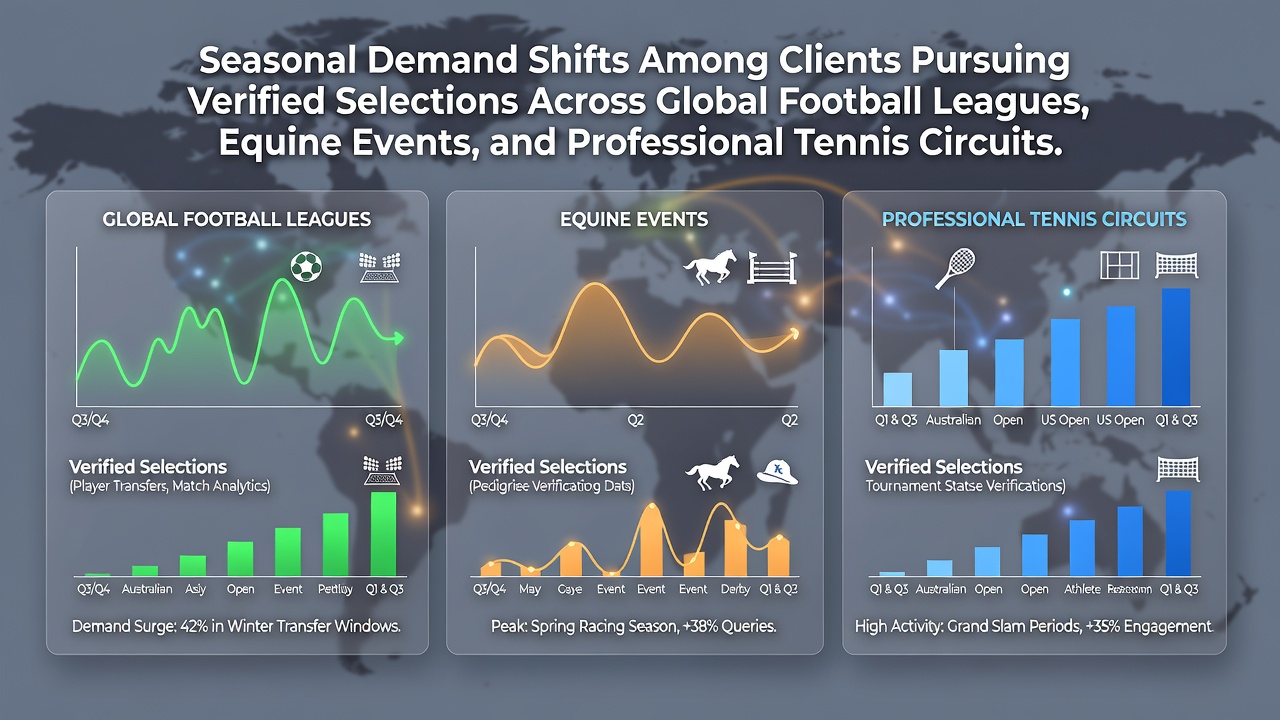
Client interest in verified selections follows distinct patterns tied to calendar events in football leagues, equine competitions, and professional tennis circuits; these shifts emerge from fixture schedules, major tournaments, and weather-related variables that alter participation volumes year after year. Data compiled across multiple platforms shows measurable increases in subscription inquiries during periods when high-profile events overlap with league conclusions or festival meetings, while quieter intervals produce steadier but lower volumes of activity.
Football League Cycles and Client Interest Peaks
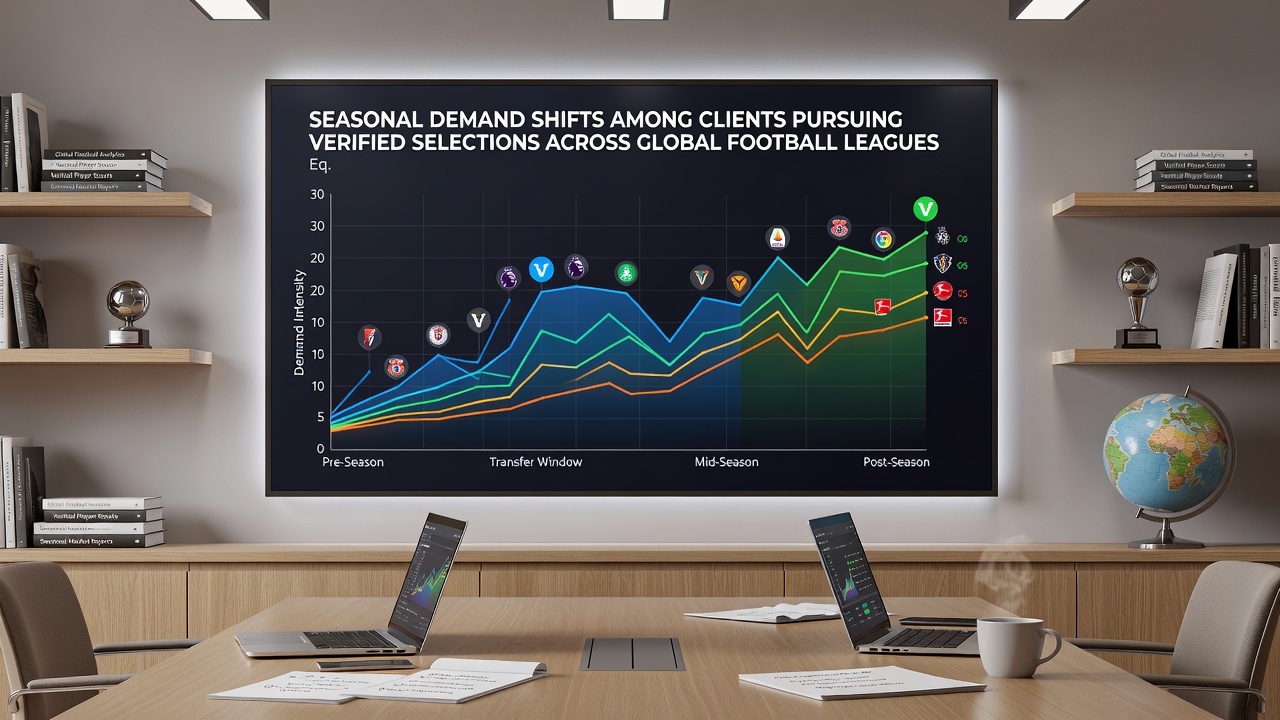
European domestic leagues generate predictable demand surges when campaigns reach decisive stages, with title races and relegation battles drawing more attention to verified selections in the final months; the English Premier League typically concludes in May, whereas Bundesliga and Serie A schedules create earlier or later focal points depending on the season. International tournaments add further layers, as qualification windows and continental club competitions produce concentrated periods of client searches for cross-market options. In June 2026 observers note elevated activity around remaining European league fixtures alongside preparations for summer international windows, since many clients expand their pursuit of verified selections when multiple competitions run concurrently.
Equine Events and Festival-Driven Volume Changes
Horse racing calendars create sharp demand fluctuations around flagship meetings, with the Cheltenham Festival in March, Royal Ascot in June, and Breeders' Cup in November each triggering distinct client behavior patterns; these events concentrate attention on verified selections because prize structures and field sizes differ markedly from routine cards. All-weather and turf surfaces introduce additional variables, since seasonal track conditions influence which races attract greater scrutiny from those seeking audited results. Researchers tracking subscription metrics across platforms report that equine-focused inquiries rise measurably in the weeks preceding these festivals, then taper once the main races conclude, producing a rhythm distinct from steady league-based football activity.
Tennis Circuits and Surface Transitions
Professional tennis schedules drive demand through Grand Slam windows and surface changes, with the Australian Open opening the year on hard courts, Roland Garros shifting focus to clay in late May and early June, and Wimbledon moving play onto grass in July; these transitions prompt clients to seek verified selections tailored to specific surface demands and player form trajectories. WTA and ATP tours maintain year-round events, yet client volumes spike around major tournaments because ranking points and prize money create clearer performance benchmarks. In June 2026 the conclusion of the French Open and the immediate lead-up to Wimbledon coincide with lingering football fixtures in some leagues, producing overlapping interest in multi-sport verified selections that cover both court and pitch markets.
Studies from academic institutions such as the UNLV International Gaming Institute document how these overlapping calendars affect subscription patterns, revealing that clients often adjust their focus when tennis surface changes align with equine festival dates or football season finales. Industry reports compiled by the European Gaming and Betting Association further indicate regional differences, with European clients showing stronger responses to football and racing overlaps while Asia-Pacific markets display steadier tennis-driven volumes throughout the year.
Interconnected Market Behaviors Across Sports
Clients pursuing verified selections across all three domains frequently demonstrate synchronized shifts when calendars align, such as during June periods when Royal Ascot overlaps with late-stage tennis events and football transfer windows; platform analytics show these moments produce broader inquiries that span multiple categories rather than isolated sport-specific searches. Weather disruptions in equine racing or rain delays in tennis can extend these windows, since postponed events keep client attention active longer than scheduled timelines suggest. Data from multi-year tracking indicates that platforms offering combined verified selections across football, racing, and tennis experience more pronounced volume changes during these crossover periods compared with single-sport services.
Regional regulatory frameworks also shape these patterns indirectly, as licensing requirements in various jurisdictions affect which verified selections remain accessible during peak months; clients in markets with stricter oversight often concentrate activity around major events where data transparency receives heightened attention. Observers tracking global trends note that June 2026 presents a typical example of such convergence, with equine meetings, tennis grass-court swings, and football season wind-downs creating simultaneous demand pressures across services.
Conclusion
Seasonal demand for verified selections across football leagues, equine events, and professional tennis circuits follows observable rhythms driven by fixture density, surface changes, and festival scheduling rather than random fluctuations. These patterns repeat annually with minor variations tied to calendar quirks and weather events, allowing platforms to anticipate volume changes based on historical records. Clients adapt their pursuit of verified options in response to overlapping competitions, producing interconnected activity that spans all three sports during peak convergence months such as June. Continued monitoring of these shifts provides clear indicators of how calendar structures influence engagement across global markets.