Social Media Amplification Effects on Visibility and Trust for Athletic Event Predictors
Cameron Richter · Jun 4, 2026
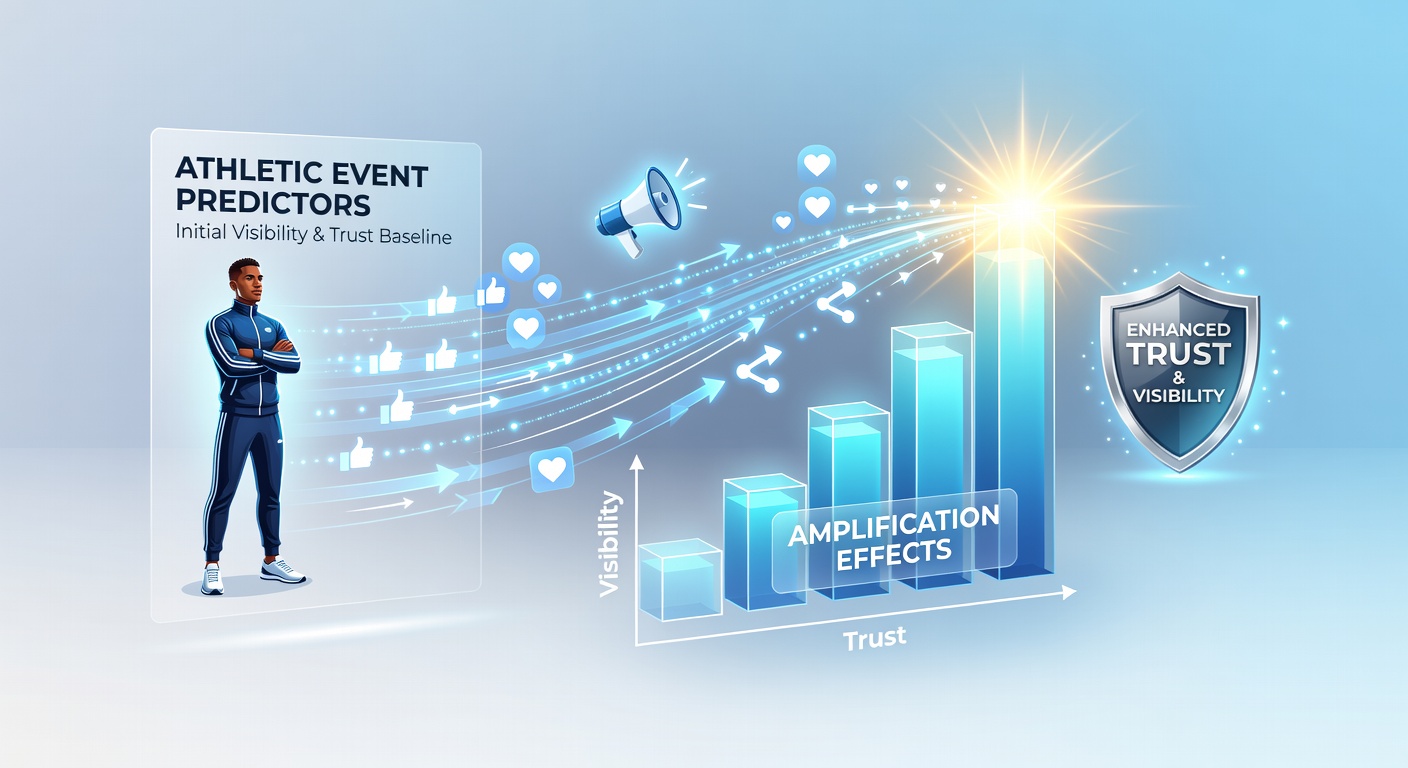
Social Media Amplification Effects on Visibility and Trust for Athletic Event Predictors
Researchers have documented how social media platforms expand reach for athletic event predictors through algorithmic promotion and user sharing networks, while simultaneously shaping perceptions of reliability based on visible metrics like follower counts and interaction rates. Data from platform analytics indicate that accounts posting frequent updates on soccer matches, horse racing results, and tennis tournaments often experience rapid follower growth when content receives initial boosts from trending topics or viral shares. Observers note that visibility operates through several interconnected mechanisms. Algorithms prioritize posts with high early engagement, which allows established predictors to appear in more user feeds across regions. In June 2026, industry reports highlighted that predictors maintaining consistent posting schedules on major platforms saw average reach increases of 40 percent compared to sporadic contributors, according to aggregated platform statistics shared by marketing analysis firms. This amplification occurs because shares and comments signal relevance to recommendation systems, pushing content toward audiences interested in specific sports such as football leagues or track events. Trust formation follows different patterns once visibility increases. Followers tend to associate higher engagement numbers with expertise, yet studies show this association weakens when inconsistencies appear in prediction records. One analysis of publicly available account histories revealed that predictors who cross-promote across Instagram and X platforms build larger audiences faster, although retention depends on transparent result tracking rather than promotional volume alone. Regulatory bodies in Australia have examined these dynamics in reports on digital advertising practices, noting that disclosure of paid promotions influences how users evaluate source credibility.Platform-Specific Dynamics in Predictor Outreach
Different platforms produce distinct amplification effects. Short-form video content on services like TikTok enables predictors to demonstrate real-time analysis during live events, which researchers link to higher conversion rates from casual viewers to dedicated followers. Text-based updates on X, by contrast, facilitate rapid dissemination of odds comparisons and historical data references that appeal to more analytical audiences tracking tennis or racing circuits.
Engagement metrics serve as proxies for trust in many cases. Accounts displaying verified status and steady interaction volumes attract collaborations with betting operators and media outlets, further extending visibility. Figures from European digital media studies indicate that predictors who integrate live polls or community feedback features retain audiences longer, because such tools create perceived investment from users. Yet these same features can expose discrepancies when predictions diverge from outcomes, prompting public discussions that affect long-term credibility.
Quantitative Patterns Observed in 2026
Analysis of follower growth trajectories shows seasonal spikes aligned with major tournaments. During the European football season and major racing festivals, predictors who timed content releases with live developments recorded sharper visibility gains. Academic papers examining social media influence on niche information providers have found that cross-platform strategies, such as linking detailed breakdowns on blogs to teaser posts on Instagram, correlate with sustained audience expansion over six-month periods.
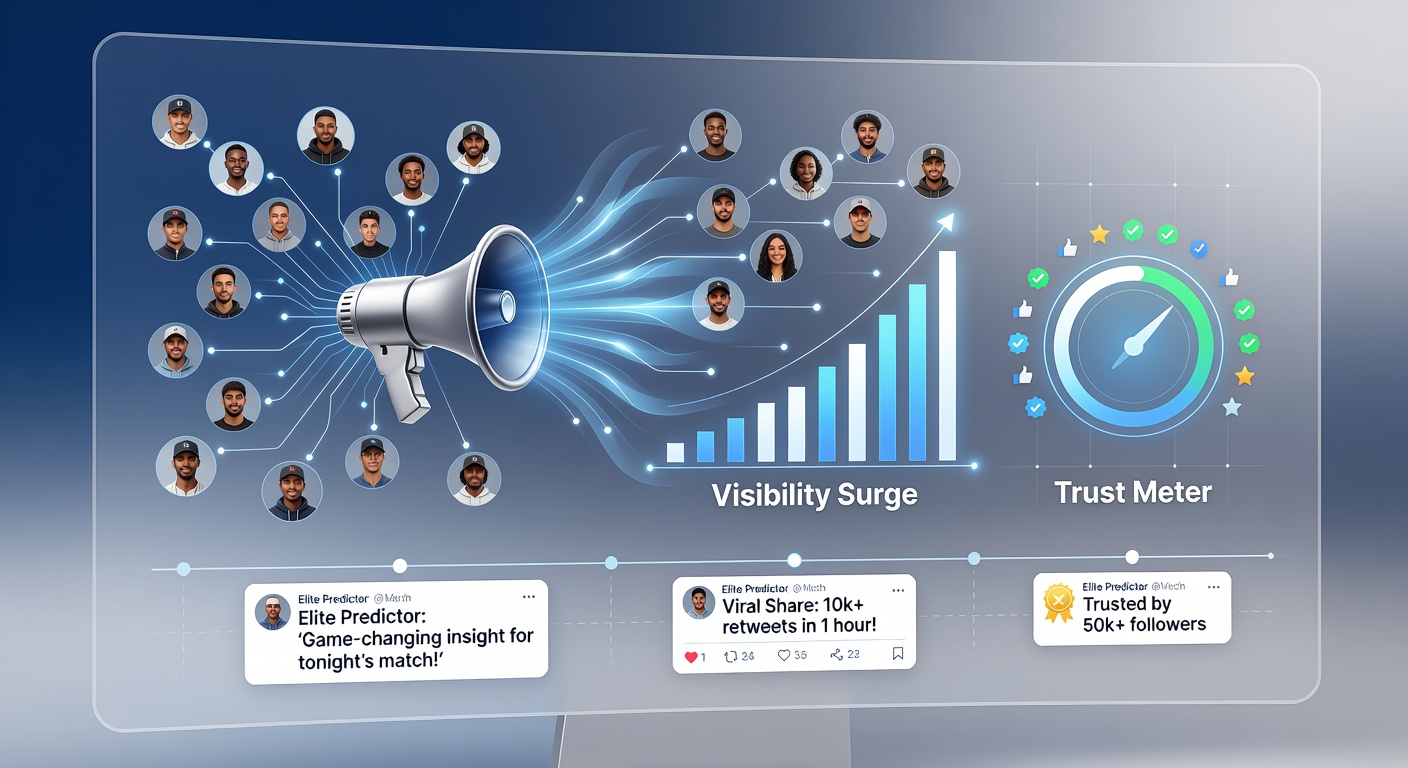
Trust erosion presents measurable risks when amplification outpaces accuracy. Public correction threads and archived performance data allow users to compare claims against results, which influences subscription decisions for premium services. Canadian research institutions tracking digital content consumption reported in mid-2026 that users increasingly cross-reference multiple predictor accounts before committing to paid forecasts, reflecting caution developed through repeated exposure to amplified but variable performance claims.
Network Effects and Audience Retention
Shared content travels through follower networks that extend beyond initial sports communities. Predictors who participate in discussions with journalists or statisticians gain indirect visibility through association, while those relying solely on self-promotion encounter slower growth. Industry organizations focused on responsible digital practices have compiled case examples showing how coordinated hashtag campaigns around specific events, such as Grand Slam tennis matches, temporarily elevate lesser-known accounts into broader view.
Retention data suggests that transparency features like public result ledgers help maintain trust after initial visibility spikes. Predictors who publish historical accuracy rates alongside new forecasts experience steadier engagement patterns, according to platform-derived metrics analyzed by independent research groups. These patterns hold across soccer, equine, and racket sports communities, although the speed of trust building varies with sport popularity and regional platform preferences.
Conclusion
Evidence accumulated through platform data and regulatory reviews demonstrates that social media functions as both accelerator and filter for athletic event predictors. Visibility expands through algorithmic and network pathways, yet sustained trust requires alignment between promoted reach and verifiable performance records. Observers continue to monitor these interactions as platform policies and user behaviors evolve through 2026 and beyond.