Subscription Fees vs Track Records: Evaluating Tipster Value in Tennis Betting
Morgan Hoffmann · Mar 20, 2026
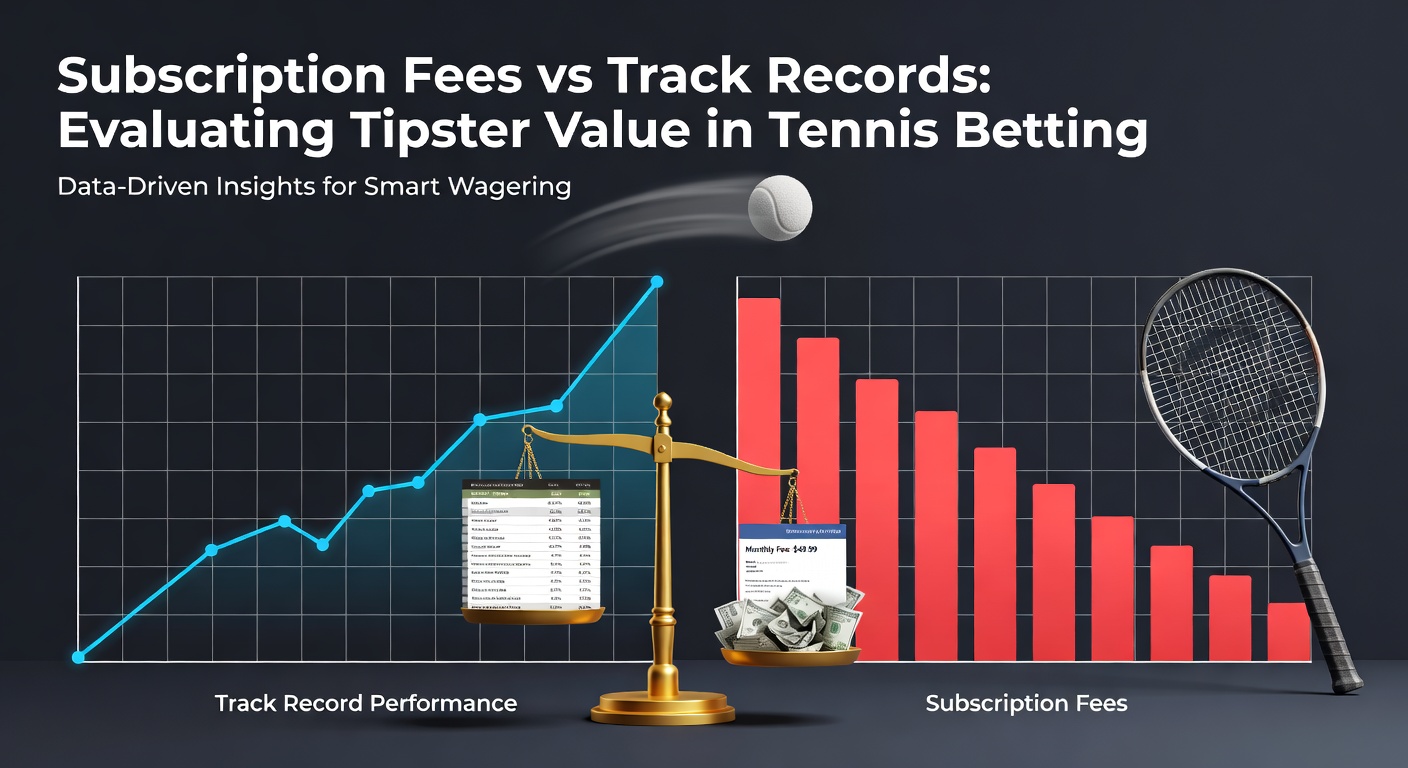
Subscription Fees vs Track Records: Evaluating Tipster Value in Tennis Betting
What Tipsters Bring to Tennis Betting Tables
Tipsters in tennis betting offer predictions on matches across ATP, WTA, and challenger circuits, often charging subscription fees for access to their picks, while savvy bettors weigh those costs against proven track records to spot real value. Experts note that tennis's unique dynamics—think clay court grinds in Monte Carlo or quick hard-court blasts at Indian Wells—demand specialized knowledge, which tipsters claim to provide through stats on player form, head-to-heads, and surface preferences. Data from verified platforms reveals that top tipsters focus on markets like over/under totals or set betting, where edges emerge from deep dives into fatigue factors and injury updates, yet not all deliver consistent edges over house vig.
But here's the thing: subscription models vary wildly, from monthly £20 plans to premium yearly deals hitting £500, and those who've crunched the numbers find that low fees often mask poor long-term yields, whereas pricier services sometimes justify costs with audited results spanning hundreds of bets. Observers point out how tennis's packed calendar, with over 60 ATP events yearly, gives tipsters ample opportunities to build records, but cherry-picking wins while burying losses remains a common trap that discerning punters sidestep by demanding full transparency.
Dissecting Subscription Fee Structures
Subscription fees for tennis tipsters typically break into tiers—basic access for casual picks at £10-30 per month, VIP signals with staking advice pushing £50-100, and elite lifetime memberships exceeding £1,000—each promising higher hit rates or exclusive Grand Slam previews, although figures from independent trackers show average yields hovering around 5-10% ROI after fees for the better ones. Researchers who've analyzed these models discover that pay-per-tip options, charging £2-5 per selection, appeal to selective bettors during high-stakes events like Wimbledon, yet they expose users to variance spikes when tipsters hit slumps on lower-tier tournaments.
What's interesting is how fees tie into service perks; one platform's data indicates that tipsters bundling live in-play updates with pre-match analysis charge 20-30% more, and those integrating bankroll management tools often retain subscribers longer, since consistent small edges compound over a season's 2,000+ matches. That said, hidden costs like currency conversion for international users or platform markups can erode value, prompting experts to advise comparing net profit after all deductions.
Track Records: The Real Yardstick for Value
Track records stand as the cornerstone for evaluating tipsters, with key metrics like profit/loss over 500+ bets, strike rate above 55%, and ROI exceeding 8% separating pretenders from performers in tennis betting landscapes. Studies from betting verification sites reveal that long-term records, spanning at least 12 months, capture seasonal swings—from clay dominance in spring to grass adjustments at Queen's Club—while short samples mislead with hot streaks on favorites. People who've pored over archives notice how top tipsters maintain positive units won even during slumps like the 2025 US Open, where upsets galore tested resolve.
And yet, raw win counts deceive without context; experts emphasize yield per unit staked, where a tipster banking 1.2 units per 10 risked on underdog moneylines outperforms flat 60% strikers on juices-heavy evens. Turns out, audited records from third-party sites, logging every bet with odds snapshots, provide the gold standard, as self-reported stats often inflate by excluding pushed bets or selective posting.
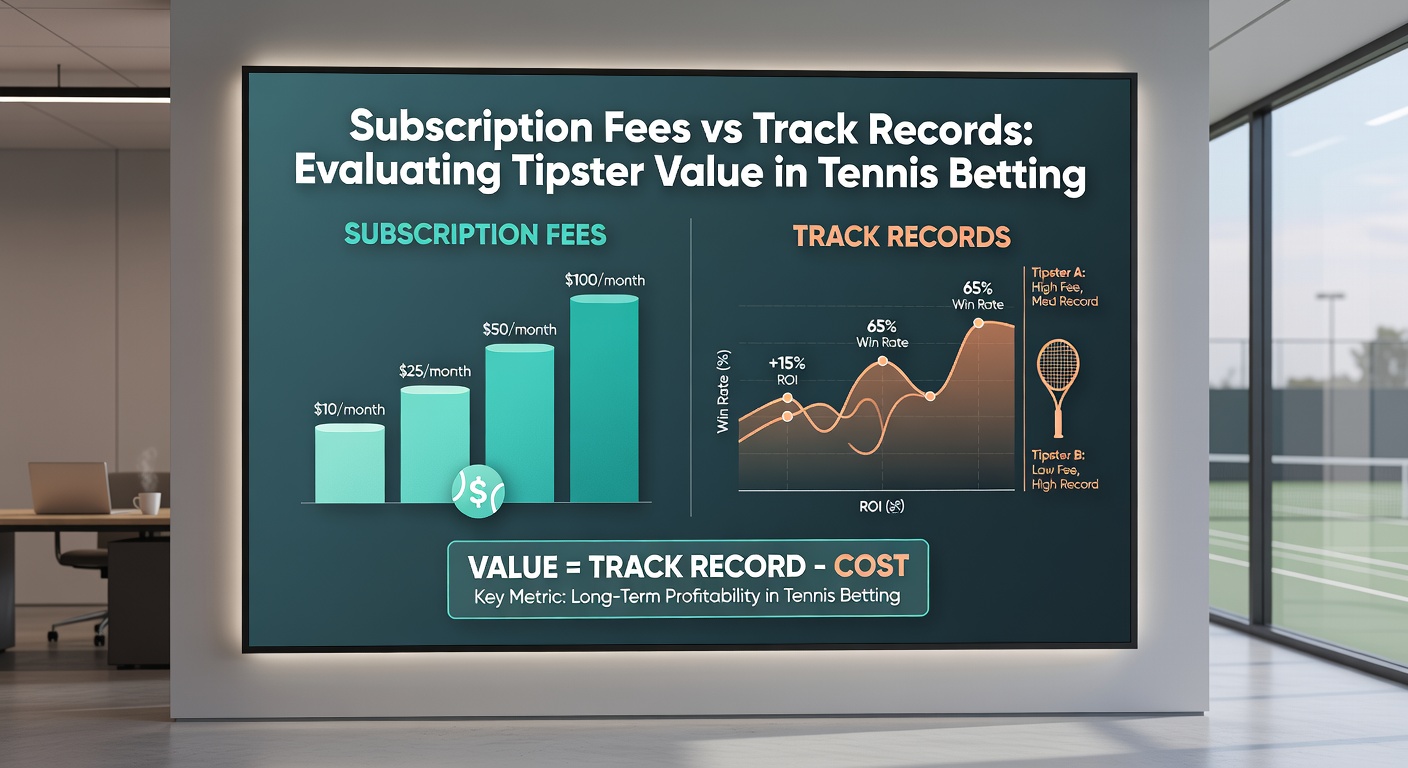
Key Metrics That Matter Most
When pitting fees against records, bettors zero in on ROI—calculated as net profit divided by total staked, ideally hitting double digits annually—alongside maximum drawdown, which gauges worst-case losses during inevitable downswings on circuits like the Asian swing. Data indicates that tipsters capping drawdowns at 20% of bankroll while delivering 10%+ yearly returns justify £50 monthly fees, since even modest 1-unit bets compound to substantial edges over 300 selections. Observers highlight bankroll growth charts too, where steady upward curves through events like the Australian Open signal reliability over volatile spikes.
But here's where it gets interesting: tennis-specific metrics shine brighter, such as performance splits by surface (55% strike on clay vs 45% on grass) or tournament level (ATP 250 vs 500), revealing specialists who crush challengers but falter at majors. One study from the International Tennis Integrity Agency underscores how match-fixing risks amplify the need for tipsters with clean, verifiable logs, as suspicious patterns in records raise red flags amid ongoing probes into lower-tier events.
Case Studies: Winners and Warnings
Take one tipster tracked since 2023, whose £35 monthly fee yielded 12.4% ROI over 850 tennis bets, thriving on women's WTA over/under plays during the 2025 clay season, while a rival's flashy £15 plan posted -2% after fees due to overlooked variance in men's qualifiers. There's this case where experts dissected a service charging £80 for "guaranteed" Grand Slam picks, only to uncover selective reporting that hid 40% losses on early rounds; full audits flipped the narrative, showing breakeven at best.
People who've followed these sagas often discover that hybrid models—free teaser bets leading to paid tiers—build trust, with conversion rates climbing when initial records match paid performance. And in a twist, during March 2026's Indian Wells buildup, tipsters posting early hard-court previews saw subscriber surges, yet only those with 2025 Coachella Valley records above 15% ROI held steady as favorites shortened amid player withdrawals.
Red Flags and Common Pitfalls
Low fees lure newcomers, but records plagued by huge sample gaps or unexplained hiatuses scream caution, as do tipsters pushing massive stakes on longshots without drawdown data. Figures from Australian industry trackers like the Australian Gambling Research Centre reveal how unregulated services contribute to punter losses, emphasizing verified platforms that timestamp odds and log refusals. Those who've been burned note how "lifetime" deals trap users in fading services, whereas trial periods expose mismatches early.
It's noteworthy that promotional hype—claims of 80% wins or "bank busters"—rarely holds under scrutiny, since tennis's 52% breakeven threshold after vig demands nuanced edges, not miracles. So bettors cross-check via leaderboards, where consistent top-10 finishes over quarters validate fees beyond hype.
Tools and Strategies for Smart Evaluation
Verification hubs aggregate tipster data into sortable tables by sport and metric, letting users filter tennis specialists with 1,000+ bets and positive EV, while spreadsheets tracking personal results against subscriptions quantify true value. Experts recommend backtesting records on historical odds from sites like OddsPortal, confirming if past picks held water amid line movements.
Now, layering in qualitative checks—tipster reasoning shared via telegrams or blogs—adds depth, as those explaining serve hold rates or break point conversions build credibility over opaque signals. And for March 2026's Miami Masters hype, forward-testing current form against fee structures will spotlight services primed for Sunshine Double profits.
Conclusion: Balancing Cost and Proof for Long-Term Wins
Evaluating tipster value boils down to stacking subscription fees against robust track records, where metrics like sustained ROI, controlled drawdowns, and surface-specific edges cut through noise in tennis betting's volatile world. Data consistently shows that services delivering 10%+ net yields post-fees outperform cheap alternatives, rewarding patient punters who demand audits and trials amid the sport's endless grind. Those who've mastered this balance turn seasonal swings into steady gains, proving that in tipster evaluation, the proof lies in persisting profits, not promises.