The Hidden Mechanics Behind Cross-Platform Alert Systems Used by Predictors Covering League Matches, Steeplechase Events, and Court Fixtures
Morgan Hoffmann · Jun 6, 2026

The Hidden Mechanics Behind Cross-Platform Alert Systems Used by Predictors Covering League Matches, Steeplechase Events, and Court Fixtures
Predictors who track league matches, steeplechase events, and court fixtures rely on alert systems that coordinate data across multiple platforms and sports simultaneously. These systems aggregate schedules, results, and performance metrics from disparate sources into unified notification streams that reach users on mobile apps, web dashboards, and desktop interfaces without manual intervention. Data pipelines pull live updates from league databases, racing authority feeds, and tournament organizers, then apply filters that prioritize alerts based on timing, odds movement, and historical patterns. The core architecture begins with API integrations that standardize inputs from football leagues, steeplechase circuits, and tennis draws. Each sport maintains separate data formats, yet the alert platforms normalize these streams through middleware layers that convert timestamps, venue codes, and participant identifiers into a common schema. This normalization allows a single notification engine to trigger messages when a league fixture overlaps with a steeplechase start time or when a court match enters its deciding set. Real-time synchronization depends on WebSocket connections and push notification services that maintain persistent channels across operating systems. When a steeplechase event posts updated going conditions or when a tennis court fixture experiences a player withdrawal, the system broadcasts the change within milliseconds to subscribed devices. Observers note that latency under 500 milliseconds remains standard in production environments, achieved through edge servers positioned near major data centers in North America, Europe, and Asia-Pacific regions. Alert prioritization algorithms evaluate multiple variables before dispatching notifications. Factors include closing line value, historical accuracy rates for similar events, and cross-sport correlations such as weather impacts on both outdoor football pitches and turf steeplechase tracks. The algorithms run on distributed computing clusters that process thousands of events per hour, applying machine learning models trained on archived match data, race results, and court statistics. Security layers encrypt alert payloads and authenticate user sessions to prevent unauthorized access to prediction streams. Multi-factor verification occurs at login, while token-based authorization governs each API call between the predictor platform and external sports data providers. These measures align with standards promoted by organizations including the NCAA for collegiate and professional event data handling. Platform compatibility extends to legacy systems and emerging devices through responsive design frameworks and native code wrappers. Users receive identical alert content whether accessing the system via iOS, Android, or browser extensions, with adaptive formatting that adjusts for screen size and connectivity speed. In June 2026, several platforms introduced enhanced support for wearable devices that deliver haptic feedback alongside visual alerts during overlapping steeplechase and tennis scheduling windows. Data validation routines run continuously to flag inconsistencies across sources. When a league match time conflicts with a published steeplechase card or when a tennis fixture lists an incorrect surface type, the system quarantines the record and requests manual review from data stewards. This process reduces propagation of errors into user notifications and maintains the integrity of cross-sport comparisons that predictors use to identify value opportunities. Scalability features allow the same infrastructure to accommodate spikes during major tournaments. Grand Slam weeks, festival racing meetings, and international league rounds generate simultaneous data surges, yet load balancers and auto-scaling cloud resources distribute processing demands without service interruption. Metrics from industry reports indicate that top-tier systems sustain 99.8 percent uptime during peak periods by routing traffic through redundant pathways. Integration with third-party analytics tools provides additional context within alerts. Users can view embedded charts that compare current form across football squads, steeplechase runners, and tennis players, all drawn from the same normalized dataset. These visualizations update dynamically as new information arrives, allowing rapid assessment without leaving the alert interface. 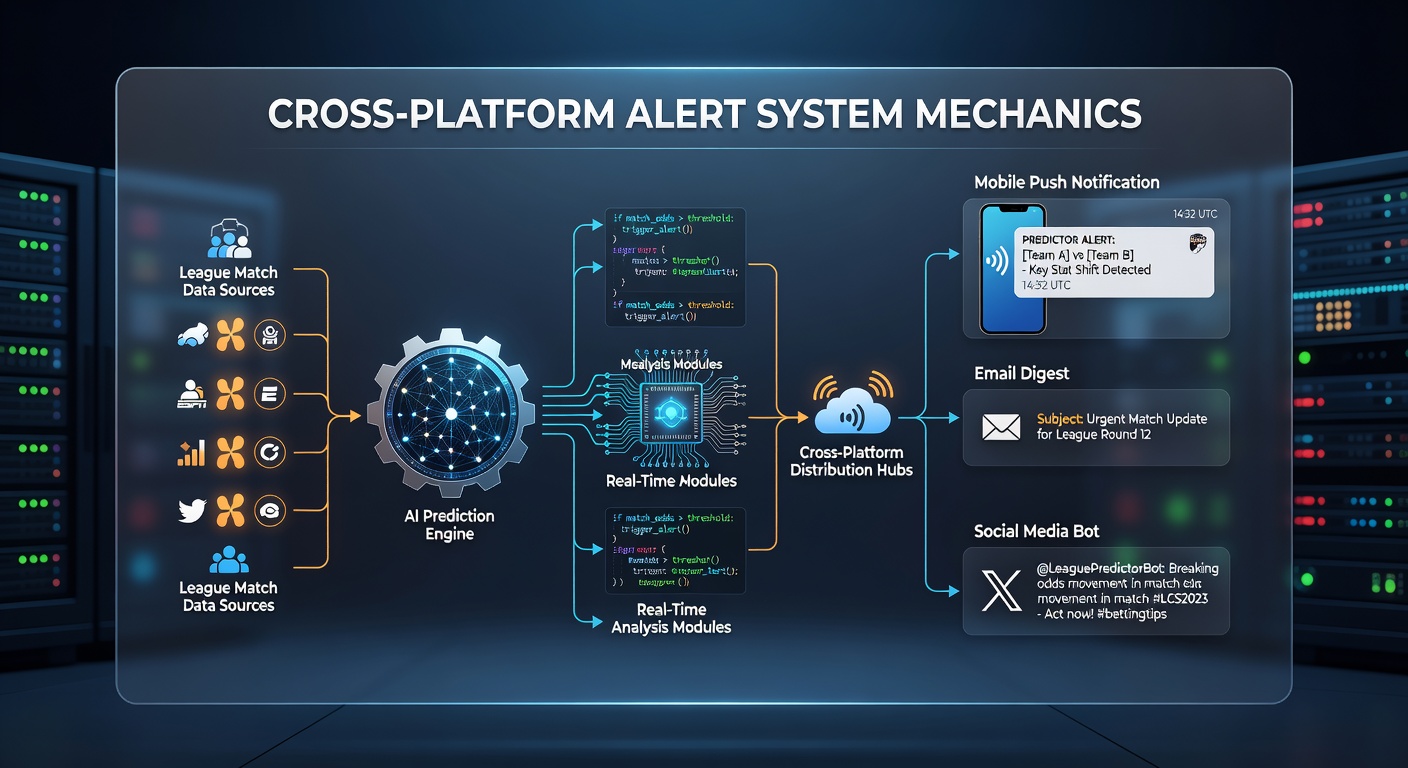 Monitoring dashboards track system health metrics such as message delivery rates, API response times, and error frequencies. Administrators review these indicators daily and adjust thresholds when patterns suggest potential bottlenecks. Automated alerts notify technical teams when delivery success drops below established benchmarks, prompting immediate investigation into network or source-related issues. The evolution of these systems reflects ongoing collaboration between software developers, sports data providers, and regulatory bodies focused on information accuracy. Standards developed by groups such as the Australian Gaming Council influence how platforms handle result verification and alert transparency across jurisdictions. Continued refinement ensures that predictors covering league matches, steeplechase events, and court fixtures receive timely, reliable information regardless of device or location.