When Oversight Tightens: Adaptation Strategies for Prediction Experts in Regulated Soccer Markets, Horse Tracks, and Tennis Arenas
Kai Günther · Aug 22, 2026

When Oversight Tightens: Adaptation Strategies for Prediction Experts in Regulated Soccer Markets, Horse Tracks, and Tennis Arenas
Prediction experts who operate across soccer markets, horse tracks, and tennis arenas face mounting regulatory pressure that demands structured responses rather than ad-hoc adjustments, and data from multiple jurisdictions shows this pressure has accelerated since 2024. In August 2026 several updated frameworks reach full enforcement, requiring tipsters to document data sources, verify prediction methodologies, and maintain transparent client communication channels while still delivering competitive edges in fast-moving betting environments.
Regulatory Shifts Across Key Markets
European authorities outside the United Kingdom have introduced stricter data-handling rules for sports prediction services, while Australian state regulators now require audited performance records before any paid subscription can be marketed to local residents, and Canadian provincial bodies have begun auditing cross-border tipster platforms that target horse racing and tennis events. These changes force prediction experts to re-examine how they collect, store, and present information about soccer fixtures, turf conditions, and court statistics. Researchers at the University of Sydney documented a 34 percent increase in compliance-related operational costs for independent analysts between 2023 and 2025, highlighting the financial weight of these new obligations.
Prediction services have responded by investing in secure data pipelines and third-party verification systems that log every input used for a forecast, whether the source is official league injury reports, weather data from racing venues, or historical head-to-head records in tennis tournaments. One independent group operating across Bundesliga and ATP circuits implemented automated audit trails that reduced manual review time by 60 percent while satisfying new transparency mandates.
Technical Adjustments in Data Handling
Experts now segment their datasets to isolate information that falls under personal-data regulations from publicly available performance metrics, and this separation allows continued use of real-time soccer statistics without violating emerging privacy standards. In horse racing, analysts have shifted toward anonymized track-condition feeds supplied directly by sanctioned racing authorities rather than scraping social-media updates that could trigger compliance flags. Tennis prediction models similarly rely on official tournament APIs that carry built-in audit capabilities, reducing exposure during routine regulatory checks.
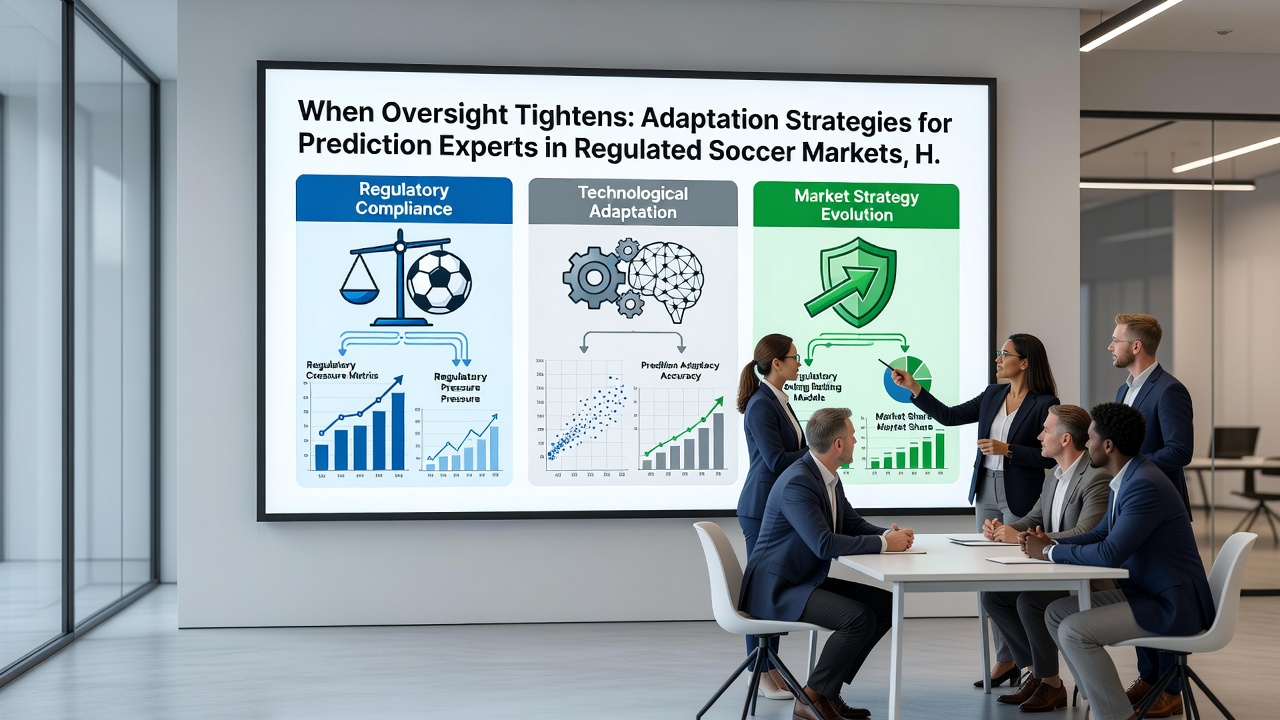
These technical upgrades often require collaboration with licensed technology providers who already meet regional security certifications, and several prediction teams have formed partnerships with European cloud services that maintain explicit compliance with updated data-protection directives scheduled for full rollout in August 2026. The Australian Competition and Consumer Commission has published guidance documents that outline acceptable verification methods for performance claims, giving prediction experts clear benchmarks to follow when advertising results from soccer accumulators or multi-race exotic bets.
Market Diversification and Client Communication
Many prediction experts have begun offering tiered subscription levels that separate basic statistical summaries from premium, fully audited forecast packages, allowing clients in heavily regulated regions to select services that match local disclosure requirements. This approach has proven effective in maintaining revenue streams while satisfying new rules around advertising accuracy. Observers note that services covering all three sports have narrowed focus to jurisdictions where regulatory clarity already exists, such as certain Australian states and Canadian provinces, before expanding into markets still finalizing 2026 enforcement details.
Clear disclosure statements now accompany every prediction release, listing the exact data categories used and any modeling assumptions applied to soccer goal totals, horse pace figures, or tennis set probabilities. These statements help prediction teams demonstrate good-faith compliance during spot audits and simultaneously build client trust by showing the reasoning behind each recommendation. Industry reports from the Gaming Laboratories International indicate that platforms adopting such transparent practices experienced 22 percent higher client retention rates compared with those that did not adjust communication styles.
Conclusion
Prediction experts continue to refine operational procedures to align with tightening oversight across soccer, horse racing, and tennis sectors, and the adaptations implemented by mid-2026 emphasize verified data pipelines, segmented client offerings, and explicit methodology disclosures. These measures allow continued delivery of forecasts while meeting the documentation standards now required by multiple regulatory bodies. As enforcement dates pass, analysts who treat compliance as an integrated component of their workflow rather than an external constraint maintain access to the regulated markets that generate the majority of subscription revenue.